How a Direct Sale of an Estate Home Works
Our process follows the shape of your estate rather than forcing the estate to follow ours. Here is what happens, step by step, and where the court and the title company come in.
- Belongings can stay
- No repairs or cleanout
- We work with your probate attorney
- No agent commission
- We wait on the court
Five Steps From First Conversation to Closing
- A first conversation. You tell us about the house, the family, and where the estate stands legally. We listen, ask a few questions, and let you know honestly whether a direct sale seems to fit.
- A visit to the home. We walk through the property at a time that suits you, or meet a neighbor or relative if you live out of state. Nothing needs to be cleaned or moved first.
- A written offer with our reasoning. We send an offer in writing along with a plain explanation of how we arrived at it, so every heir and your attorney can review it without pressure.
- A signed agreement and the court step, if required. Once the personal representative or trustee has authority to sign, we sign a purchase agreement. Your attorney handles notice, a confirmation hearing, or any objection period the case requires.
- Closing through title and escrow. A licensed Nevada title company pays off any liens, records the deed, and disburses funds to the estate as the closing instructions and any court order direct.
Each step can move as quickly or slowly as your family needs. Families selling while a case is open often want the detail on our page about how to sell a house during an open probate case, while those who already hold title can skip the court portions entirely.
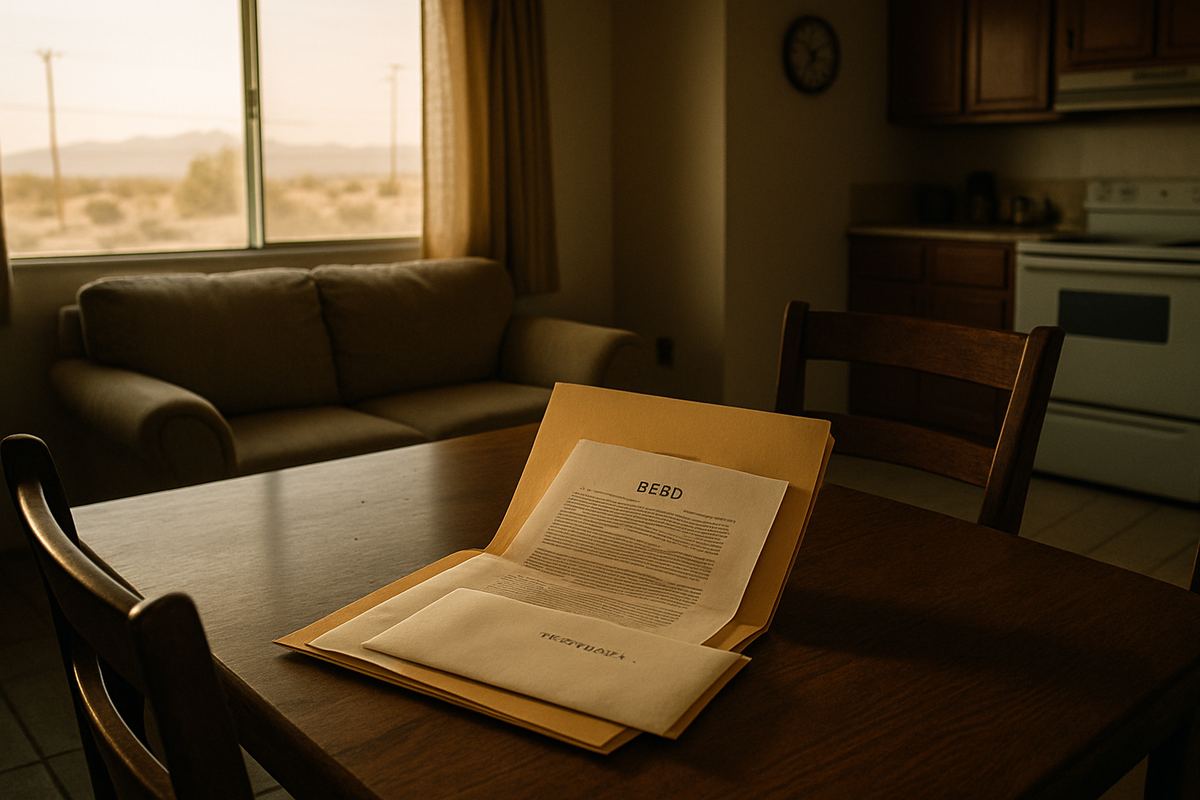
Documents That Make the Process Smoother
You do not need everything gathered before calling us. Still, having these items within reach tends to save weeks later on.
The death certificate and letters
Certified copies of the death certificate are needed by the title company and often by insurers, utilities, and lenders. In a probate case, the court issues letters that prove who has authority to act. Letters testamentary are issued when the decedent left a will naming an executor, and letters of administration are issued when someone is appointed without a will or without a named executor who can serve.
The will, the trust, and the current deed
If there is a will, your attorney will want the original. If the home is held in a living trust, the trust document and any amendments show who serves as successor trustee, and our page on a living trust house sale covers that path. A copy of the recorded deed, available through the Clark County Recorder, shows exactly how title is held, which may reveal joint tenancy or a deed upon death.
Mortgage, tax, and HOA statements
Recent statements for any mortgage, reverse mortgage, property tax bill, or HOA account help the title company order payoffs. If there are balances you are worried about, our page on an inherited house that still carries a mortgage or liens explains how those usually get resolved at closing.
Whenever You're Ready
There is no deadline on our side. Tell us about the house and where things stand with the estate, and we will explain what a direct sale could look like, including how it would fit with your attorney and the court.
If you would rather hear a voice first, the red button at the bottom of the screen calls our line.
How Title, Escrow, and the Court Calendar Fit Together

In Nevada, title companies act as the neutral party that holds funds and documents until every condition of the sale is met. For an estate sale, one of those conditions is proof that the seller has authority, and sometimes a court order confirming the sale. Under NRS Chapter 148 on sales of estate property, sales that need confirmation must be reported to the court, and title does not pass until the court confirms them. Escrow can open as soon as the agreement is signed, but it will not close until the title company receives what it needs.
When a hearing is part of the timeline
If confirmation is required, your attorney files the paperwork and the probate commissioner sets the matter on a sales calendar. Other buyers may overbid at that hearing. After the court confirms the sale, the attorney provides the order to title, and closing can usually be scheduled. When the personal representative holds full independent authority, a hearing may not be required, though notice to interested persons often still is. Which rules apply to your estate is a question for your probate attorney; we do not provide legal advice.
When no court is involved
Trust sales, homes passed by deed upon death, and some small estate and set-aside cases may move without a sale hearing at all. In those cases, title mainly needs the recorded documents that show the seller's authority. Questions about any of this are welcome, and heirs will find many of them covered on our page of probate seller questions.
Adjusting the Process to Your Family
No two estates follow the same script, so the steps above bend to fit the people involved. When siblings need time to agree, we pause after the written offer and answer questions from each of them; heirs facing that kind of split can read our page on heirs who disagree about the house for help. When the person in charge lives in another state, we coordinate keys, visits, and signatures so that a trip to Las Vegas is rarely required, as described for an executor living outside Nevada. And when the house is crowded with a lifetime of possessions, we set a date for the family to collect what matters, then handle the rest after closing.
Whatever the situation, you will know what we are waiting on, who is responsible for the next step, and what happens if the court calendar shifts.
A Few Common Questions
How long does the whole process take?
It depends mostly on the legal path. A trust sale or a house already in the heirs' names can close once title is ready. A sale needing court confirmation follows the court's calendar, plus any time needed for notice. We will not promise a specific number of days, but we will tell you what each step is waiting on so you are never guessing.
Can we start talking before the court issues letters?
Yes. We are glad to visit the house, answer questions, and prepare a written offer while the appointment is pending. What generally has to wait is a binding signature, since only someone with legal authority can sign a purchase agreement for the estate. Your probate attorney can tell you exactly when that authority begins.
Who chooses the title company?
We typically close through a Nevada-licensed title and escrow office, and we are open to one the estate's attorney prefers. The title company holds the funds, orders payoffs, records the new deed, and disburses proceeds according to the closing instructions and any court order. Neither party touches the money directly.
Do we have to be in Las Vegas for any of this?
Not necessarily. Many executors and trustees live out of state. Documents can often be signed with a mobile notary or through the title company's remote options, and we can meet a relative, neighbor, or your attorney's staff at the house. Court appearances, if any, are handled by your attorney.