Selling a Parent's Older Home in Central Las Vegas
Some of the oldest houses in the valley stand on the streets around Charleston Boulevard and Rancho Drive. Many were bought by one family and kept for decades.
- Belongings can stay
- No repairs or cleanout
- We work with your probate attorney
- No agent commission
- We wait on the court
Where the valley's first subdivisions still stand
Central Las Vegas is where the city's postwar housing began. Huntridge, laid out in the early 1940s on land once owned by Leigh Hunt, is generally described as Las Vegas' first tract subdivision, and the Huntridge Theater on Charleston Boulevard still anchors the neighborhood's memory. A few minutes west, McNeil was started in the late 1940s and built out mostly through the 1950s and 1960s, with single-story ranch homes on lots far larger than anything built in the valley since.
All of these streets fall within City of Las Vegas limits, which means permits, code enforcement, and historic district rules come from the city rather than Clark County. The probate case itself, wherever the house stands, belongs to the Eighth Judicial District Court.
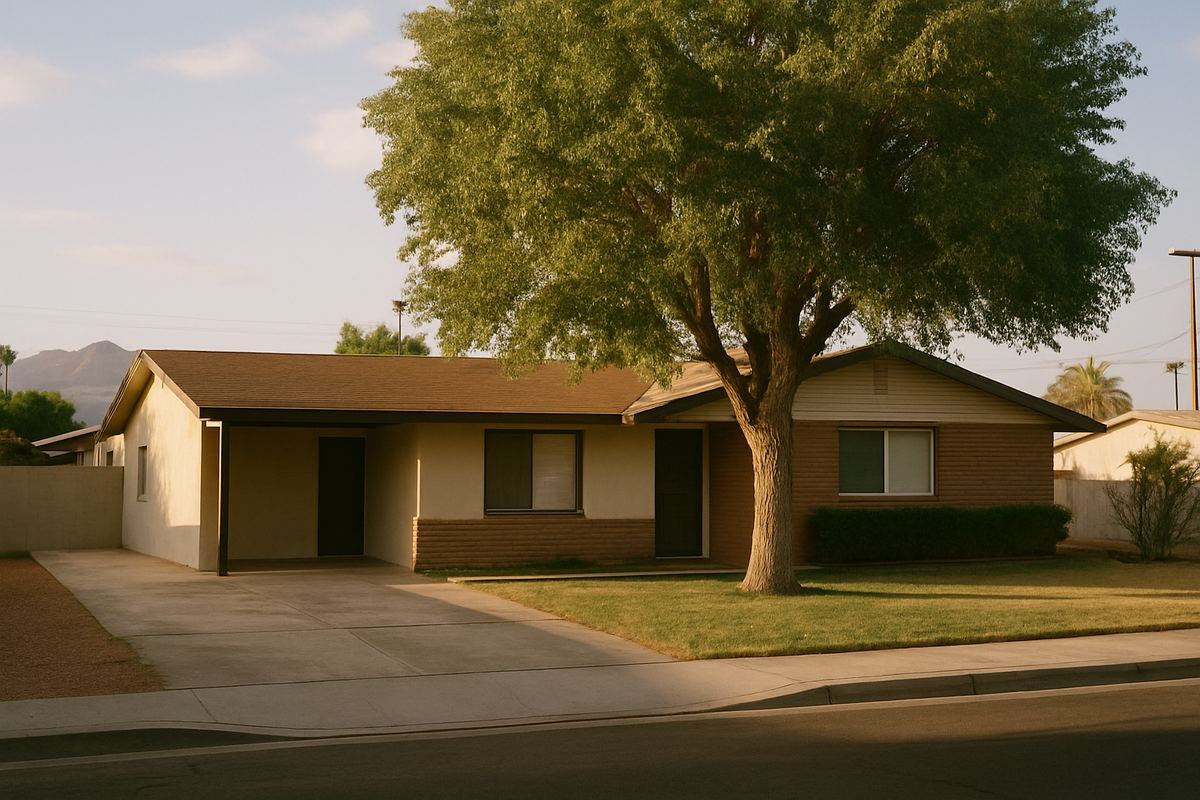
Four pockets, four kinds of inherited house
| What families usually inherit | |
|---|---|
| Huntridge | Compact 1940s and 1950s homes, often with later additions and older electrical and plumbing |
| McNeil | Ranch homes on big lots with mature mulberry trees, lawns, and long-deferred irrigation and roof work |
| Rancho Oakey | Mid-century ranch and desert-modern houses close to downtown and the Strip |
| Scotch 80s fringe | Larger custom homes on oversized lots near Rancho Drive and Charleston Boulevard |
The common thread is age. A house that one owner held for forty or fifty years tends to have been maintained in some ways and left alone in others, and that is exactly the kind of house we buy without asking for repairs.
Whenever You're Ready
There is no deadline on our side. Tell us about the house and where things stand with the estate, and we will explain what a direct sale could look like, including how it would fit with your attorney and the court.
If you would rather hear a voice first, the red button at the bottom of the screen calls our line.
What a seventy-year-old house asks of an executor
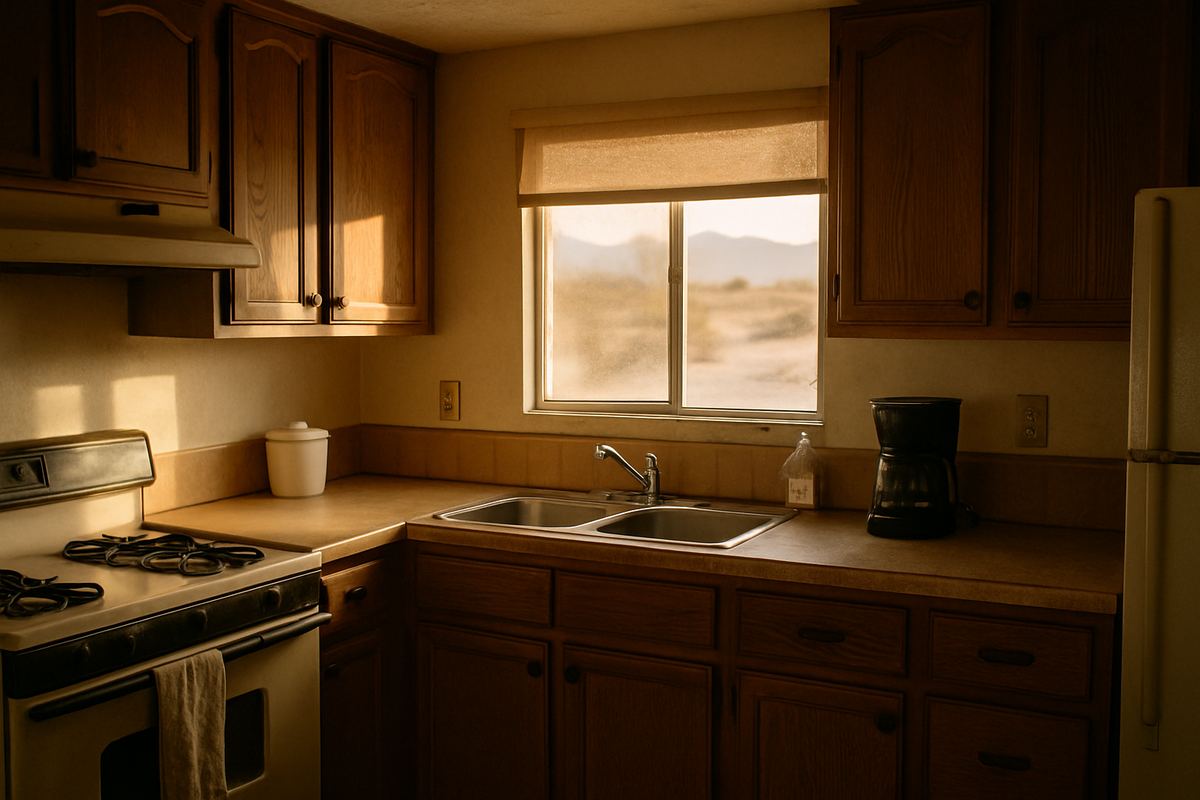
Original systems behind the walls
Galvanized supply lines, older electrical panels, and cast-iron drains are common in homes of this era. A traditional buyer's inspector will flag them; we simply account for them.
Additions and garage conversions
Plenty of central Las Vegas homes grew a room or two over the years. Whether every addition was permitted is a question we can sort out with the title company rather than a reason to stall the estate.
Trees, lawns, and roots
Big old shade trees are part of McNeil's charm, and they can also mean roots in sewer lines. If the house has been sitting empty, our page on vacant homes full of a parent’s belongings covers the practical risks while the estate moves forward.
Historic designation questions
Parts of central Las Vegas carry historic district status. If you are unsure whether that affects exterior changes, ask the city or your attorney; it does not stop a direct sale to us.
How the sale fits an open estate
When a court case is open
If a probate case is open, the personal representative usually needs court approval of the sale, and Nevada's rules on notice and confirmation generally apply. Our walkthrough on selling a house while the Clark County case is pending explains the general shape of that process, and your probate attorney will tell you what your specific case requires. We can sign a contract and then wait for the hearing calendar without pressing the family.
When title has already passed
Many longtime central Las Vegas owners recorded a deed upon death or held the house in joint tenancy. In those cases the house may never enter probate at all, and the page for heirs who already hold title is the better fit. We are not lawyers, and nothing on this page is legal advice.
Nearby parts of the valley
Family homes from this same era continue east into Sunrise Manor and north into the older blocks of North Las Vegas. To the south, 1960s ranch streets in Paradise near UNLV has its own run of 1960s ranch houses, while the newer HOA subdivisions of Spring Valley and Del Webb’s age-restricted Sun City Summerlin streets lie to the west. The full map of neighborhoods we buy in lists every area. Wherever the house is, the first conversation is the same: what the family wants to keep, and what the estate's timeline allows.
A Few Common Questions
Will you buy a Huntridge or McNeil house that has never been updated?
Yes. Original kitchens, older plumbing, worn roofs, and dated electrical are all normal in central Las Vegas homes of this age. We buy the house as it stands, so the estate does not need to bring in contractors, pull permits, or coordinate repairs before closing. The family can take keepsakes and leave the rest of the contents behind.
Does a historic district slow down an estate sale?
Historic status generally affects exterior alterations and certain city reviews, not the sale itself. The estate can sell the house to us directly whether or not the street carries a designation. If you have questions about what the designation means for the property, the City of Las Vegas planning staff or your attorney can answer them.
The house has an addition we are not sure was permitted. Is that a problem?
Not for us. Unpermitted additions and garage conversions come up often in older central Las Vegas homes. We factor the structure in as it is and work with the title company on anything that needs attention. You do not need to research decades of building records before talking with us.