Selling a House While the Probate Case Is Still Open
If a Clark County court has appointed you to handle an estate and the house needs to be sold, the process has a few extra steps. Here is how those steps usually unfold and where a direct buyer fits in.
- Belongings can stay
- No repairs or cleanout
- We work with your probate attorney
- No agent commission
- We wait on the court
Who can sign while the case is open
Nobody can sign away a house that is still in a probate estate until the court has given that person authority. In Clark County, probate cases go through the Eighth Judicial District Court, where a probate commissioner reviews petitions, holds hearings, and makes recommendations to a district judge. Once someone is appointed, the court issues a document called letters, and the title company will want a certified copy before it insures a sale.
Letters testamentary
When the person who died left a valid will naming an executor, and the court admits that will, the executor receives letters testamentary. That paper is what shows a buyer, a lender, or a title officer that you are allowed to act for the estate.
Letters of administration
When there is no will, or the named executor cannot or will not serve, the court appoints an administrator and issues letters of administration. The duties are similar. The person chosen, and some of the residency rules, are different, which matters a great deal if you live outside Nevada. Our guide for an executor living in another state covers that wrinkle.
Special administrators
If the regular appointment is delayed, the court can name a special administrator to collect and protect estate assets, including keeping real property from damage. That role is generally about preservation. Selling the house usually waits for a full appointment, so ask your attorney which kind of authority you hold before you sign any purchase agreement.
Notice, appraisal, and the confirmation hearing
Chapter 148 of the Nevada Revised Statutes sets the ground rules for selling estate property. The central idea is simple: in a standard administration, the sale is reported to the court, and title does not pass until a judge confirms it. Everything else supports that hearing.
Published notice of the sale
The statute calls for notice of a real property sale to be published in a local newspaper over a period of weeks before the sale. The court can waive publication in certain situations, for example when the heirs or devisees with an interest in the house consent in writing, or when the property has been publicly listed for a set period. Your attorney will know which route fits your case.
The appraisal requirement
Before confirming, the court has to be satisfied that the price reflects fair market value, and the house generally needs a recent appraisal. That appraisal can be waived for good cause, or when the personal representative is the only heir, or when every interested heir consents in writing.
Overbids in the courtroom
At the confirmation hearing, another buyer can sometimes appear and offer more. Nevada law lets the court accept a higher bid if it beats the original by a minimum margin set in the statute. A direct buyer should tell you up front that this can happen, and should not pressure you to discourage other bidders.
Independent administration authority
Some personal representatives ask the court for full authority under Nevada's Independent Administration of Estates Act. With full authority, a house can often be sold without the confirmation hearing, although notice of the proposed sale to affected heirs and devisees may still be required, and a price well below the appraisal brings court confirmation back into play. Limited authority does not include selling real property. Whether your letters grant full or limited authority is a question for your probate attorney.
Whenever You're Ready
There is no deadline on our side. Tell us about the house and where things stand with the estate, and we will explain what a direct sale could look like, including how it would fit with your attorney and the court.
If you would rather hear a voice first, the red button at the bottom of the screen calls our line.
The usual path from offer to recorded deed

Every estate is a little different, but a court-supervised sale of a Las Vegas house tends to follow this order:
- Confirm your authority. Get certified letters and ask your attorney whether you are under full independent administration, limited authority, or standard court supervision.
- Get a written offer that names the court's role. The purchase agreement should state that the sale is subject to court confirmation where that applies, so nobody is surprised by the hearing.
- Handle notice and value. Your attorney arranges publication or a waiver, and the appraisal or a waiver, then files the petition to confirm.
- Attend or monitor the hearing. The commissioner or judge reviews the sale, any overbids are heard, and an order confirming the sale is entered.
- Close through title. The deed refers to the confirmation order, a certified copy of the order goes on record with the Clark County Recorder, and the proceeds are paid to the estate.
We walk through our own side of that sequence on the page explaining how a sale with us works.
Where a direct cash buyer fits
A court-supervised sale is already slow by design, so many executors look for a buyer who will not add new delays. We buy probate houses for cash, as-is, which means no repair requests, no lender appraisal for a mortgage, and no realtor's commission taken from the estate's share. Furniture, dishes, and papers can stay; the heirs keep what matters to them and we deal with the remainder. That holds even when the place is packed with decades of belongings, and it is one of several estate situations collected in our overview of probate and inherited home sales.
We work with the estate's attorney and a title company of the estate's choosing, and we are comfortable waiting for a hearing date. If you need a better sense of whether a direct sale makes sense for your estate, our answers to common probate selling questions go further.
Protecting the house until the order is signed
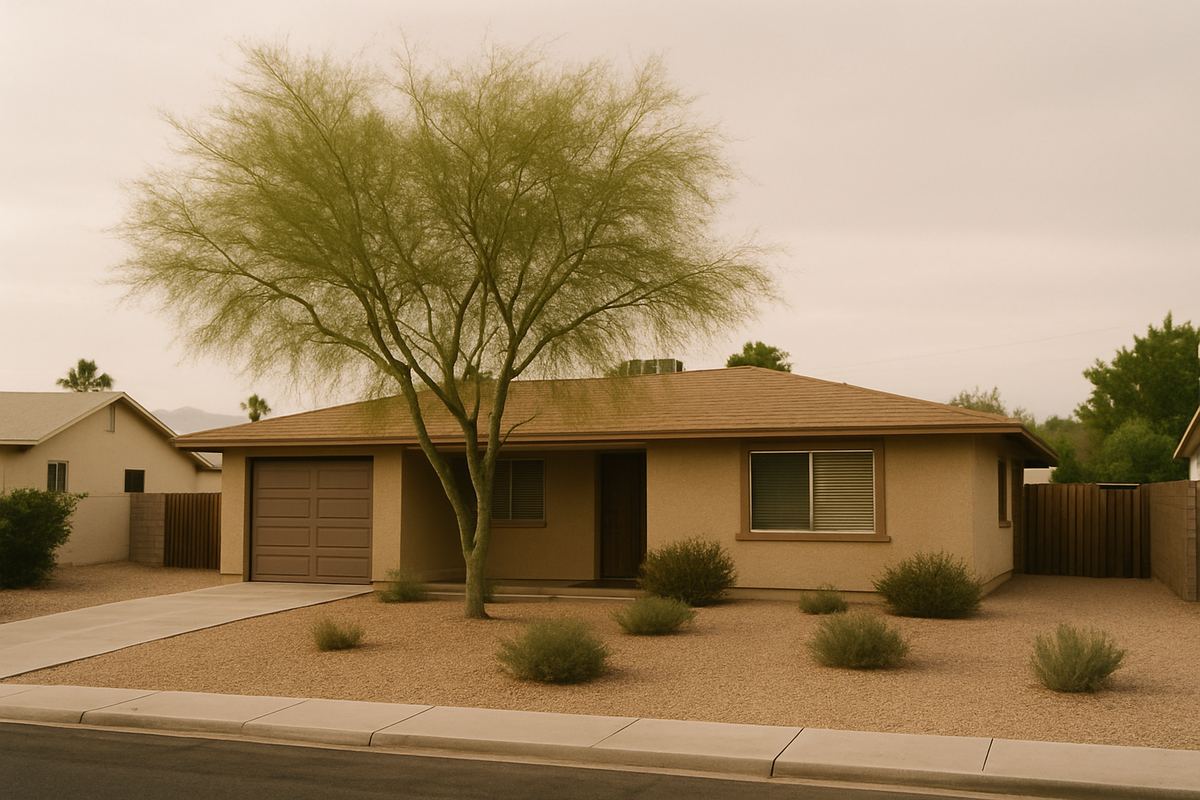
Months can pass between the appointment and the confirmation order. During that stretch, the personal representative is responsible for keeping the property insured, secured, and maintained. A vacant ranch house in Paradise near UNLV or a mid-century home in central Las Vegas can draw trespassers or quietly develop leaks while nobody is watching. Tell your insurer the house is vacant, keep the water heater and air conditioning in a safe state, and keep receipts for everything the estate pays.
If the mortgage, a reverse mortgage, or unpaid property taxes are a concern, read our guide to an estate house that still has a loan or tax balance. And if the estate is modest enough that the court may allow a shorter procedure, the page on summary administration and set-asides explains how a sale works in those cases. The court's own Clark County probate department page lists current procedures and forms.
Nothing here is legal advice. Probate rules change, so ask the estate's attorney to confirm what your letters allow.
A Few Common Questions
Can I accept an offer before the court confirms the sale?
In most standard Nevada administrations you can sign a purchase agreement, but it should say the sale is subject to court confirmation, and title does not pass until the judge signs the order. Under full independent administration the rules can differ. Your probate attorney should review any contract before you sign it on behalf of the estate.
What happens if someone outbids you at the confirmation hearing?
Nevada law allows the court to accept a higher offer at the hearing if it exceeds the original bid by the statutory minimum. If that happens, the estate sells to the higher bidder. We tell executors about this possibility at the start, and we do not ask them to keep other buyers away from the hearing.
Do the heirs have to agree to the sale?
Heirs and devisees generally receive notice and can file written objections to a confirmation. Their written consent can also waive some requirements, such as publication or a new appraisal. If heirs are split on selling, our page on heirs who disagree explains common paths, and your attorney can advise on the court's role.
Who pays for cleanout and repairs during probate?
When we buy a probate house, the estate does not need to make repairs or empty it first. We buy it as-is with belongings inside. Any expenses the estate does pay before closing, such as insurance or utilities, should be documented for the court accounting, which your attorney will prepare.